Southern Gothic, Southern Noir, and Historical Crime Fiction: Where the Lines Actually Split

People use Southern Gothic, Southern noir, and historical crime fiction like they’re interchangeable. They’re not.
They can overlap. They often do. A novel can have traces of all three. But they are not driven by the same questions, and they do not leave the same aftertaste.
That’s where the split actually matters.
Why People Confuse Them
At a glance, these categories can look like they belong in the same room. Old houses. Family secrets. Violence. Religion. Shame. Class. Memory. Corruption. Bodies turning up where they shouldn’t. Somebody lying about the past. Somebody else paying for it.
So yes, there is shared territory.
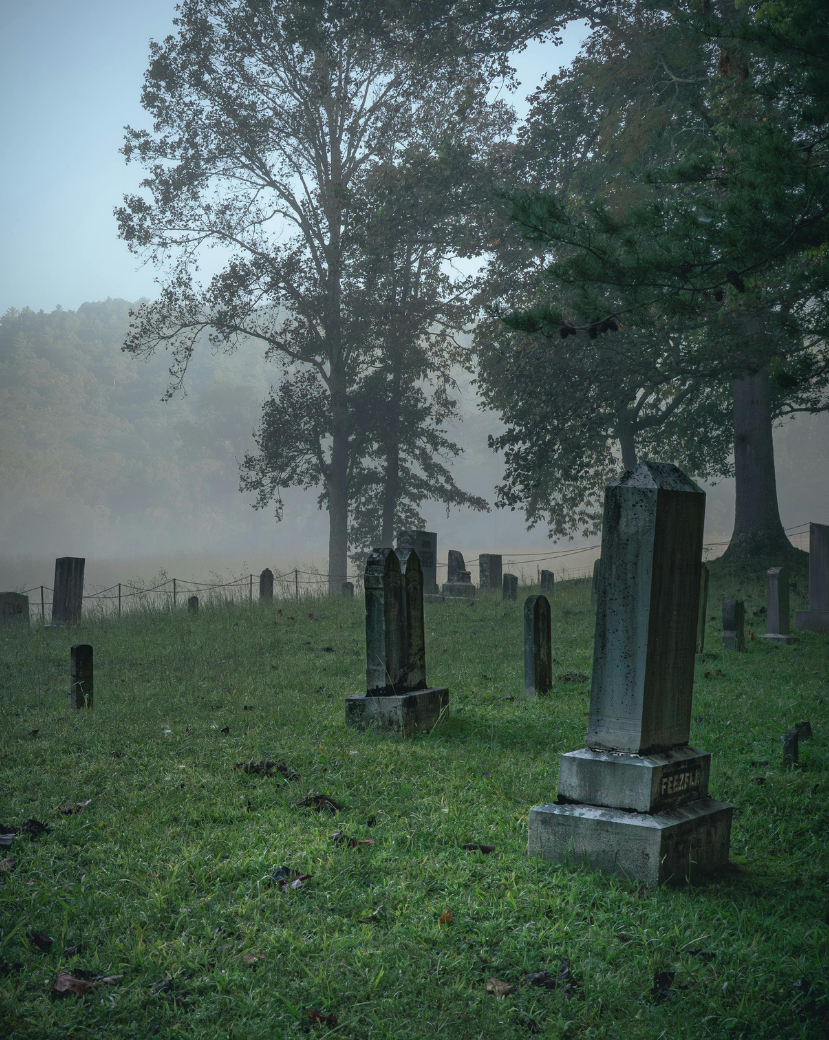
But shared scenery is not the same thing as shared blood.
The question is not whether a story contains darkness, or secrets, or the South. The question is what the story is built to do.
Southern Gothic: Rot, Distortion, and the Uncanny
Southern Gothic is interested in decay. All forms of rot.
Not just moral rot, though certainly that. Emotional degeneration. Family rot. Institutional rot. Social decay dressed up as normal life. The grotesque wearing the Sunday best. The past hanging around like it still has house keys and an open invitation.
Southern Gothic often leans into:
decay
religious tension
family corruption
inherited sin
social grotesquerie
psychological distortion
the uncanny or near-uncanny
houses, landscapes, and bodies that seem to carry stain
A Southern Gothic story may contain crime, but crime is not always the engine. Sometimes the engine is revelation. Sometimes it is dread. Sometimes it is the slow exposure of what has festered under manners and respectability for generations.
Southern Gothic is often less interested in solving the crime than in revealing the sickness in the walls.
Southern Noir: Crime, Pressure, and Consequence
Southern noir is interested in pressure.
Crime matters more directly here. So does motive. So does violence. So does the social machinery around who gets protected, who gets blamed, who gets bought off, who gets buried, and who finally decides enough is enough.
Southern noir often leans into:
crime and concealment
moral compromise
violence and aftermath
corruption
class pressure
family and regional loyalty
survival
the cost of action
the cost of silence
The South matters in Southern noir not because it is decorative, but because it intensifies consequence. Place applies pressure. Kinship applies pressure. Reputation applies pressure. Belonging applies pressure.
Southern noir is not just eerie. It is dangerous.
It is less about the strange and more about the brutal logic of what people do under pressure—and what keeps echoing after they do it.
Historical Crime Fiction: Time, Structure, and Investigation
Historical crime fiction is a broader category than either Southern Gothic or Southern noir.
Its defining feature is not region or mood. It is the fact that the story is set in a past time period and revolves around crime, investigation, concealment, justice, or some related structure of harm and consequence.
Historical crime fiction often leans into:
period-accurate systems
older investigative limitations
historical setting as a working condition
crime, motive, and pursuit
social norms of the era
the gap between law and justice in that time
A historical crime novel may be Southern. It may also be Gothic. It may also be noir. But historical crime fiction, by itself, does not require the uncanny, regional Southern pressure, or the degree of moral darkness noir tends to demand.
It simply requires crime to be central and the past to matter structurally, not just decoratively.
Where They Overlap
This is where people get tangled.
A Southern Gothic novel can include murder.
A Southern noir can include old family rot and grotesque respectability.
A historical crime novel can take place in the South and use both Gothic and noir elements.
The categories are not discrete. They bleed into one another all the time.
But overlap does not erase distinction.
A story with an old house, a corrupt family, and a dead girl could be any of the three depending on what the story is actually trying to excavate.
If the engine is decay, dread, distortion, and inherited sickness, you may be in Southern Gothic territory.
If the engine is crime, pressure, violence, concealment, and consequence, you are probably in Southern noir.
If the engine is crime operating through the limits and structures of a past era, you are in historical crime fiction.
The Easiest Way to Tell the Difference
Here’s the point in a nutshell:
Southern Gothic asks: what is wrong here, and how long has it been rotting?
Southern noir asks: who did what, why did they do it, and what will it cost?
Historical crime fiction asks: how do crime and justice operate inside the realities of this time and place?
Those questions can coexist. But one of them usually leads.
That lead question tells you what kind of story you’re really reading.
Why the Split Matters
This is not just a shelving exercise.
Readers come to these categories wanting different experiences. Southern Gothic readers may be looking for dread, decay, grotesquerie, and revelation. Southern noir readers are often looking for consequence, danger, moral pressure, and crime with bite. Historical crime readers may be looking for period-grounded mystery, justice, and the way older systems shape both crime and survival.
When people flatten all three into one distorted category, they miss what makes each one work.
The overlap is real.
But the difference is real, too.
And knowing where the lines actually are makes it easier to write, describe, and find the stories you actually want.


