A Town Can Keep a Secret Longer Than a City Ever Could

Updated: Apr 30
A city can bury the truth under noise and lights. A small town does it with memory, manners, and a casserole dish.
That’s one of the reasons rural noir and Southern crime fiction hit the way they do. People like to imagine small towns as simpler than cities, but simple is the last word I’d use. A small town is dense. Dense with history, kin, old debts, old humiliations, old loyalties, old lies spit-polished until they pass for decency.
Everybody knows something. Very few people know everything. And almost nobody tells it straight.
That’s how secrets live so long in a place like that.
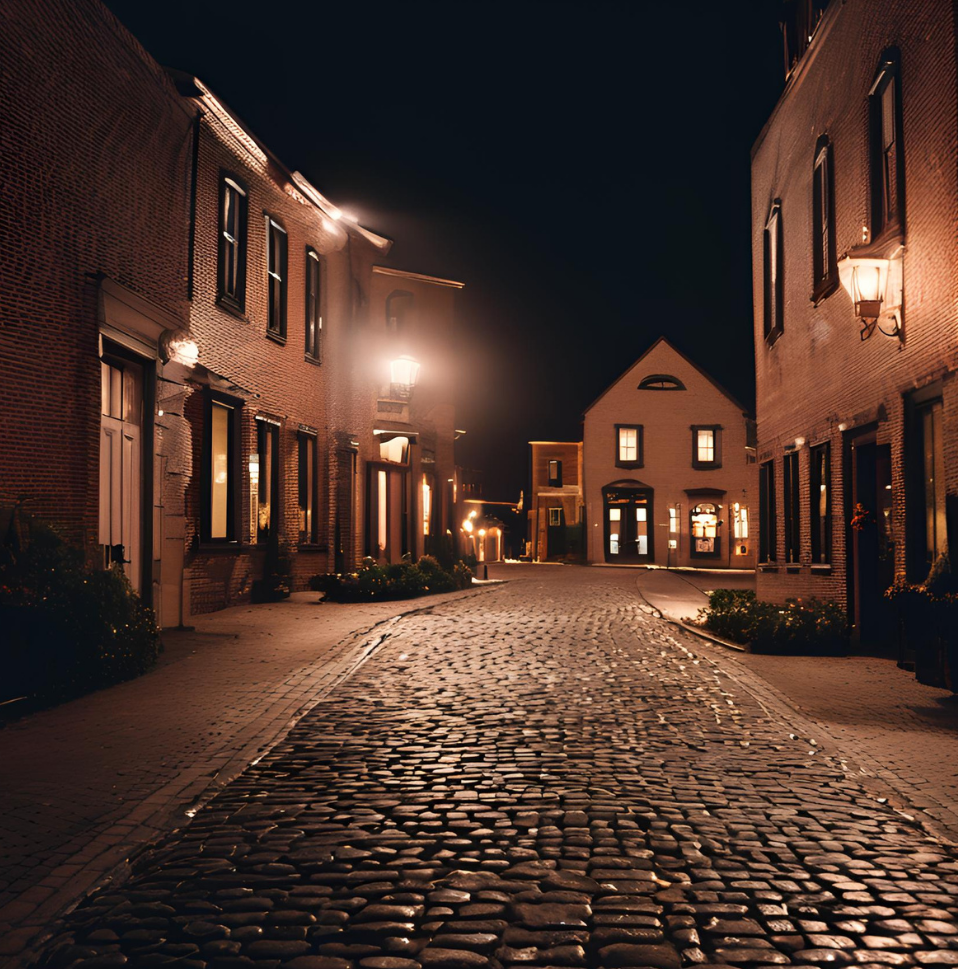
Not because nobody noticed. Somebody definitely noticed.
Not because nobody knew. Usually plenty of folks knew.
But knowing and saying are two different things.
A town can watch a bloodied man stagger out of a bar on Saturday night and still call him respectable on Sunday morning if his people go back far enough and consistently sit in the right pew. A town can know exactly why a woman quit speaking to half her family and still call it “a misunderstanding” for the next twenty years. A town can tell the story, soften the story, edit the story for consumption, and hand it down so many times the cleaned-up version starts sounding official.
That’s the real trick—a little parlor trick I like to call the self-lie. Small towns don’t always keep secrets by silence. Sometimes they keep them by telling them crooked.
A city is full of strangers. That can be dangerous in its own way. But anonymity has a weakness: people comfortably disappear into it.
A small town works different. It remembers. It tracks who belongs to who. Who owed money. Who gambled away a fortune. Who got preg
nant. Who drank too much. Who came back from somewhere else with different eyes. Who was seen parked where they shouldn’t have been parked. Who stopped going to church. Who started smiling too hard.
That kind of knowledge creates pressure.
It also creates theater. Public politeness. Social editing. The long, slow community habit of pretending not to notice what everybody noticed the minute it happened.
That’s why place matters so much in noir. Not because it’s atmospheric, though it is. Not because the roads are dark, though they are. Place matters because it shapes what can be known, what can be said, and what gets buried alive under civility, custom, fear, and family pride.
A city may swallow the truth whole.
A town pickles it.
And that’s a different kind of danger.
Lakestone School for Boys is set in exactly the kind of town this essay is about. 1949 Tennessee. A secret that held for decades. Check it out.